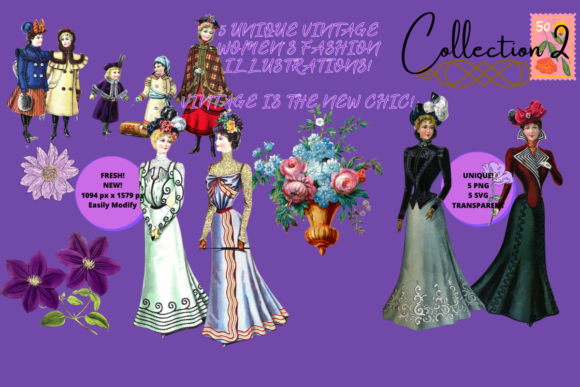
Reviewing 5 Unique Vintage Women s Fashion, V.2 for Embroidery
As a designer who has spent years translating digital art into thread, I approach every new machine embroidery design with a mix of curiosity and caution. We have all been there: you download a beautiful graphic, load it onto your machine, and watch in horror as the fabric puckers or the details turn into a tangled mess. That is why when I received 5 Unique Vintage Women s Fashion, V.2, my first step was not to stitch it on a final product, but to evaluate its potential for real-world application. This collection of vintage illustrations offers a distinct aesthetic that bridges the gap between classic elegance and modern craft, but does it hold up under the needle?
First Impressions: Mood and Visual Personality
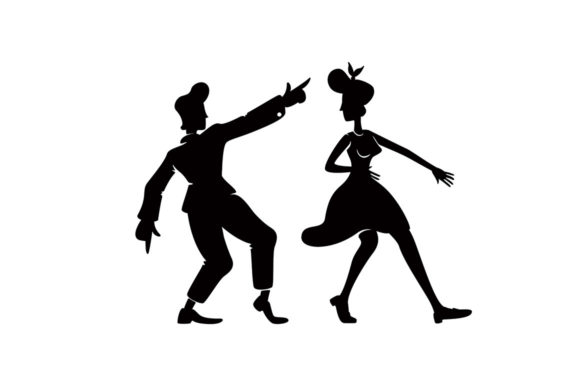
The immediate appeal of 5 Unique Vintage Women s Fashion, V.2 lies in its nostalgic charm. These are not just generic clipart; they possess a specific visual personality that evokes the early to mid-20th century. The lines are fluid, capturing the posture and attire of women in a way that feels organic rather than rigid. For an embroidery project, this flow is crucial. Rigid, boxy designs often look stiff when stitched, but these illustrations have a natural movement that translates well to the texture of thread.
The mood created by these graphics is sophisticated yet approachable. They feel at home in a boutique setting, suggesting quality and attention to detail. When I viewed the elements, I immediately thought of high-end handmade products. This is not necessarily a design for quick, disposable items. It demands a certain level of presentation. The vintage theme pairs exceptionally well with natural fibers like linen, cotton canvas, and soft wool, which enhances the overall perceived value of the finished product.
Real-World Application: From Digital File to Finished Product
To truly test the viability of 5 Unique Vintage Women s Fashion, V.2, I imagined a specific scenario: creating a line of custom tote bags for a local bookstore’s anniversary. The goal was to create a tote bag design that felt literary and timeless. I selected one of the illustrations featuring a woman in period attire reading or holding a book. The result was striking. The design did not just sit on the fabric; it interacted with it.
This collection is versatile enough for various custom apparel projects. Imagine these illustrations embroidered on the chest of a cream-colored sweatshirt. The sweatshirt embroidery would provide a cozy, vintage vibe that appeals to customers looking for unique, non-mass-produced clothing. Similarly, these designs could elevate simple aprons for kitchenware boutiques or serve as the centerpiece for decorative pillow covers in a shabby-chic interior design scheme.
For Etsy sellers and small shop owners, the commercial potential is significant. These graphics can be used to create personalized gifts, such as embroidered handkerchiefs or nursery decor for baby embroidery projects, provided the scale is adjusted appropriately. The key is matching the intricacy of the illustration to the size of the hoop and the type of fabric. A large, detailed illustration might overwhelm a small cap, but it would shine on a structured tote or a framed textile art piece.
Technical Considerations for Stitching Success
While the aesthetic is strong, the technical execution requires careful planning. Vintage illustrations often rely on fine lines and subtle shading. In embroidery, this translates to a need for precise stitch types. You will likely need to balance satin stitch for borders and defined edges with fill stitch for larger areas of clothing or background elements. Running stitch may be useful for delicate details, but it must be used sparingly to avoid breaking or looking sparse.
Stitch density is a critical factor here. If the original embroidery file is too dense, it can cause the fabric to pucker, especially on lighter materials. Conversely, if it is too light, the fabric underneath might show through, ruining the illusion of the illustration. I recommend testing the design on scrap fabric that matches your final product. Check how the thread colors interact with the fabric texture. A high-contrast thread on a dark fabric can make the design pop, while tonal threads on a similar-colored fabric create a subtle, embossed effect.
Be cautious with curved surfaces like caps. The distortion inherent in stitching on a curved brim can warp the proportions of the vintage figures. Always use a proper stabilizer—cut-away for stretchy fabrics like sweatshirts and tear-away for stable woven fabrics like tote bags. This ensures the design remains crisp and does not distort after washing.
Navigating Challenges: Small Details and Fabric Choices
One challenge with detailed vintage illustrations is the potential loss of clarity in small hoop sizes. If you are attempting to shrink 5 Unique Vintage Women s Fashion, V.2 to fit a small patch or a child’s garment, some of the finer details may merge together. It is essential to inspect the design at the intended size before stitching. If the details become muddy, consider simplifying the design or choosing a larger application area.
Textured fabrics can also pose a challenge. While linen looks beautiful with vintage designs, its uneven weave can interfere with small, precise stitches. In such cases, using a topping stabilizer can help the needle penetrate smoothly and keep the stitches on the surface. For dark fabrics, ensure that your thread colors are vibrant enough to stand out. Sometimes, adding a white underlay can help brighten the final appearance of the design on dark backgrounds.
Enhancing Brand Value and Customer Trust
Using high-quality design assets like 5 Unique Vintage Women s Fashion, V.2 directly impacts your brand consistency. When customers see a well-executed, unique design, they perceive higher value. This builds trust and encourages repeat business. For commercial embroidery projects, having a distinctive style helps your products stand out in a crowded market. Whether you are selling finished product items or offering customization services, the professionalism of your embroidery reflects on your brand.
These illustrations also work well for printable mockup creation. Before you commit to stitching hundreds of units, create digital previews showing how the design looks on different products. This allows you to gauge customer interest and refine your marketing strategy. It also helps in presenting a cohesive catalog to wholesale buyers or boutique owners.
Practical Notes for Designers and Makers
- Test First: Always stitch a test sample on the actual fabric you plan to use. Check for puckering, thread breaks, and color accuracy.
- Check Licensing: Before selling items made with 5 Unique Vintage Women s Fashion, V.2, confirm the license terms. Ensure you have the right to use the digital embroidery file for commercial purposes.
- Contrast Matters: Experiment with thread colors. High contrast creates a bold look, while low contrast offers a subtle, elegant finish.
- Hoop Size: Choose a hoop size that allows the design to breathe. Crowding the design near the edge can lead to stitching errors.
- Stabilizer Selection: Match your stabilizer to your fabric. Stretchy fabrics need cut-away stabilizer; woven fabrics can use tear-away.
- Detail Inspection: Zoom in on the design file. If details are too small for your machine’s needle, consider resizing or simplifying.
In conclusion, 5 Unique Vintage Women s Fashion, V.2 is a valuable addition to any designer’s library. It offers a blend of artistic flair and practical versatility that, when handled with care, can elevate your embroidery projects. By understanding the technical requirements and respecting the material constraints, you can transform these vintage illustrations into stunning, tangible works of art that resonate with customers and enhance your craft business.