Wild Bird - Bullfinch: A Designer’s Review
As an embroidery designer who has spent years digitizing and stitching thousands of motifs, I have learned that not all graphics translate well to thread. Some designs look stunning on a screen but become a tangled mess under the needle. When I first pulled up Wild Bird - Bullfinch, my immediate reaction was one of cautious optimism. This is not just another generic clipart file; it is a piece of art with distinct personality. But does it hold up in the hoop? After reviewing the line work, considering the stitch paths, and visualizing the final output on various textiles, I am ready to share my practical assessment for fellow makers, Etsy sellers, and craft business owners.
First Impressions: Mood and Visual Personality
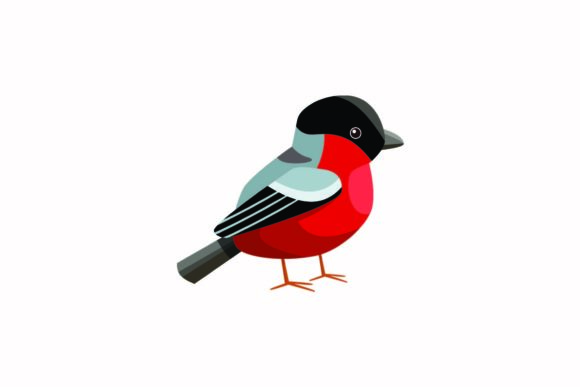
The Wild Bird - Bullfinch illustration carries a quiet, naturalistic charm. The bullfinch is a bird known for its robust shape and distinctive coloring, and this design captures that essence without getting bogged down in photorealistic clutter. For an embroidery project, this is a significant advantage. The lines are clean, and the composition feels balanced. It evokes a sense of calm and nostalgia, making it ideal for projects that aim to feel handmade and heartfelt rather than mass-produced.
From a technical standpoint, the layout suggests a design that relies heavily on clear outlines and moderate fill areas. This is crucial for maintaining stitching clarity. If you are working with a machine embroidery design that is too dense, you risk puckering the fabric. If it is too sparse, the background fabric shows through awkwardly. This graphic strikes a middle ground that suggests it will perform well with a combination of satin stitch borders and lighter fill stitch interiors, provided the digitizer has optimized the pathing correctly.
Real-World Application: From Screen to Stitch
To truly evaluate Wild Bird - Bullfinch, I imagined placing it into a real-life production scenario. Let’s say you are preparing a custom order for a client who wants a set of personalized kitchen towels for a housewarming gift. You choose a high-quality linen blend. The natural texture of linen pairs beautifully with organic themes like birds and botanicals. Here, the bullfinch would serve as a focal point, perhaps placed in the corner of the towel or centered on a pocket.
Another strong use case is sweatshirt embroidery. Imagine a muted sage green or charcoal crewneck. The bullfinch, stitched in rich reds, blacks, and whites, would pop against the dark fabric. However, this is where you must be careful. Sweatshirts are thick and often have a fuzzy texture. If the design includes tiny, intricate details, they may get lost in the pile of the fleece. In this context, I would recommend scaling the design up slightly to ensure the stitch density is sufficient to cover the fabric texture without becoming stiff.
For Etsy sellers and small shop owners, versatility is key. This design fits seamlessly into the "cottagecore" and nature-inspired aesthetics that are currently trending. It works equally well for baby embroidery on onesies—provided you use soft threads and appropriate stabilizers—as it does for more sophisticated custom apparel like denim jackets or canvas tote bag design projects. The visual appeal here drives customer trust; a clean, well-stitched bird motif signals professionalism and attention to detail.
Navigating Technical Challenges
While Wild Bird - Bullfinch is visually appealing, there are specific scenarios where you need to proceed with caution. Embroidery is a tactile medium, and physics applies. If you plan to stitch this on stretchy fabric, such as a jersey knit t-shirt, you must use a cut-away stabilizer. Without it, the weight of the threads will distort the bird’s shape over time, especially after washing.
Curved surfaces present another challenge. If you are applying this to a cap or hat, the curvature can distort the image. The bullfinch’s body is relatively round, which helps, but you must ensure the design is centered perfectly. Any misalignment on a cap is immediately noticeable. Additionally, if you are creating an embroidered patch, consider using a heavy-duty backing. Patches undergo more wear and tear than stationary items, so the integrity of the running stitch edges and anchor points is critical.
Dark fabrics require special attention to thread colors. If the original graphic assumes a white background, stitching it directly onto black fabric might result in gaps where the dark base shows through. In such cases, you may need to add an underlay or adjust the digitizing to ensure full coverage. Always test your embroidery file on scrap fabric of the same type and color before committing to the final product.
Commercial Viability and Brand Consistency
For those running a craft business, the commercial potential of Wild Bird - Bullfinch is strong. It is not overly seasonal, meaning it can be sold year-round, unlike holiday-specific designs. However, it does lend itself beautifully to holiday embroidery for winter collections, given the bullfinch’s association with colder climates and berry-laden branches. This longevity increases the return on investment for your digitizing or licensing costs.
When creating printable mockup assets for your online store, this design offers excellent visual contrast. It looks professional in both color and monochrome. I highly recommend testing the design in black and white to check for value contrast. If the design holds up in grayscale, it means the shapes are distinct enough to be recognized even from a distance. This is vital for small shop product photography, where clarity sells.
It is also important to consider the file formats provided. The description notes that you will receive AI 10, EPS 10, JPG, PNG, and SVG files. These are primarily vector and raster graphic formats, ideal for POD design, scrapbooking, and print applications. If you are an embroiderer, note that these are not native machine embroidery files (like PES or DST) unless specified otherwise. You may need to digitize these graphics yourself or hire a digitizer to convert them into a stitch file. Always confirm the licensing terms before selling finished items. Using a graphic for personal crafting is different from using it in commercial embroidery projects where you sell the physical good.
Practical Notes for the Maker
Before you load Wild Bird - Bullfinch into your machine or send it to print, take a moment to review the details. Check the smallest elements. Are there tiny dots or thin lines that might break during stitching? If so, simplify them. Review the hoop size requirements. Ensure your frame can accommodate the design dimensions without needing to re-hoop, which can lead to alignment issues.
Finally, think about the end user. If this is a personalized gift, the emotional connection matters. A well-executed bird motif feels thoughtful and curated. It elevates a simple item into a keepsake. By paying attention to fabric choice, stabilizer type, and thread quality, you ensure that the final product reflects the high quality of the original Illustrations and Graphics source material.
In conclusion, Wild Bird - Bullfinch is a versatile and charming asset for any creative entrepreneur. It requires thoughtful execution, particularly regarding fabric compatibility and stitch density, but the payoff is a polished, professional-looking finished product that resonates with buyers who appreciate nature-inspired artistry. Whether you are decorating aprons, creating nursery decor, or building a brand around outdoor aesthetics, this design earns its place in your library.