Reviewing School Icon Biology Circle Blue for Stitchers
As a designer who spends more time staring at digitized paths than I care to admit, I have learned that not every graphic translates well to thread. We often browse marketplaces looking for the perfect machine embroidery design, drawn in by clean previews and trendy themes. Recently, I took a closer look at School Icon Biology Circle Blue to determine if it holds up under the needle. This is not just about aesthetics; it is about how a digital asset performs when transformed into a tangible, stitched reality.
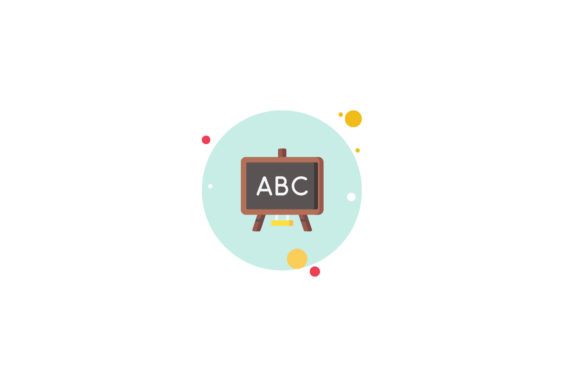
The first impression of this piece is one of structured simplicity. The circular layout provides a natural boundary, which is incredibly helpful for embroidery hoops. When you are working with a hoop size constraint, having a design that respects its own borders saves you from accidental trimming or awkward placement. The biology theme, likely featuring classic scientific motifs like cells, DNA strands, or lab equipment within that blue circle, appeals to a specific niche. It feels educational yet modern, avoiding the cluttered look of older clip-art styles. For those of us creating design assets for teachers, students, or science enthusiasts, this visual personality hits the right note.
From Screen to Fabric: A Real-World Test
To truly evaluate School Icon Biology Circle Blue, I imagined a real-life scenario. Picture a local high school science teacher who wants custom apparel for her department. She needs something professional but fun, suitable for a faculty lounge or a science fair. I visualized this design stitched onto a navy blue polo shirt or a sturdy canvas tote bag design.
The "Blue" in the title suggests a specific color palette, but as embroiderers, we know thread colors behave differently on screen than on fabric. If you are using this as a digital embroidery file, you must consider contrast. On a light heather grey sweatshirt, the blue tones would pop nicely, creating a crisp, clean look. However, if you are stitching this onto a dark garment, you need to ensure your digitizer has accounted for proper underlay stitches. Without seeing the actual stitch file, I advise checking the density. A solid fill in the circular background could become stiff and heavy, especially on a sweatshirt embroidery project where comfort matters.
For a handmade product seller, this icon works beautifully as an embroidered patch. Patches allow you to control the stabilizer and backing completely. You can stitch the design out on a stable twill, cut it close to the edge, and apply it to various items later. This versatility makes it a strong candidate for small batch production. Whether it is for a personalized gift for a budding biologist or merchandise for a craft business, the circular shape lends itself well to appliqué techniques if you want to reduce stitch count and add texture.
Navigating Technical Constraints
While the visual appeal is strong, we must discuss where caution is needed. The product description notes that the files are available in AI, EPS, SVG, DXF, JPG, and PNG formats with a canvas size of 1920 px by 1280 px. It is crucial to understand that these are primarily Graphics and vector/raster image files, not necessarily native machine embroidery formats like PES or DST. If you are an Etsy seller or a hobbyist without digitizing software, you cannot simply load an SVG into your embroidery machine. You will need to convert these graphics into an embroidery file using specialized software or hire a digitizer.
If you are digitizing this yourself, pay attention to the small details. Biology icons often include intricate lines representing microscopic structures. In embroidery, tiny details can get lost or cause thread breaks if the stitch density is too high or the stitches are too short. I recommend simplifying any ultra-fine lines into slightly thicker running stitch or satin stitch columns. Test the design on scrap fabric first. This step is non-negotiable. What looks sharp on a 1920 px screen may look muddy on cotton jersey.
Consider the fabric texture. If you are applying this to a textured towel or a rough canvas, the smooth gradients or fine lines might not register clearly. For baby embroidery items, such as onesies or bibs, ensure the back of the stitching is soft. Use a tear-away or cut-away stabilizer appropriate for the fabric weight. A dense fill stitch on a thin baby garment will cause puckering, ruining the professional look of the finished product.
Commercial Viability and Brand Consistency
For commercial embroidery projects, consistency is key. If you are building a brand around educational or scientific themes, School Icon Biology Circle Blue offers a cohesive look. The circular format is easy to replicate across different products, from caps to aprons. When customers see a consistent visual language, it builds trust. They perceive your small shop product as professional and thoughtfully curated.
However, always verify licensing. The description says "Thank you for visiting our shop," but it does not explicitly state commercial rights for the converted embroidery files. Before selling custom apparel or holiday embroidery gifts featuring this design, confirm whether the license covers physical goods. Many graphic licenses differ from embroidery licenses. As a responsible creator, protecting your business from copyright issues is just as important as choosing the right thread colors.
Practical Designer Notes for Best Results
To get the most out of this Icons collection item, follow these practical steps:
- Check Contrast: View the design in black and white to ensure the shapes are distinct without relying on color.
- Test Hoop Sizes: Determine the maximum size the design can be stitched without losing detail. A 4x4 hoop might be too small for intricate biology details, while a 5x7 or 6x10 hoop could offer better clarity.
- Stabilizer Selection: Match your stabilizer to your fabric. Use cut-away for stretchy knits and tear-away for woven cottons.
- Thread Choice: High-sheen rayon threads can make the blue tones vibrant, while matte polyester might offer a more subdued, academic look.
- Digitizing Check: If converting from SVG or DXF, manually adjust stitch angles to follow the contours of the biological elements, enhancing the three-dimensional effect.
In conclusion, School Icon Biology Circle Blue is a promising starting point for educational and science-themed projects. Its strength lies in its clear, contained layout and relevant theme. However, its success depends entirely on how well it is translated from a graphic format into a stitch-ready file. By paying attention to stitch density, fabric choice, and licensing, you can turn this digital asset into a high-value embroidery project that delights customers and elevates your portfolio. Whether for a printable mockup or a stitched reality, thoughtful execution is what separates a good design from a great product.